Yamywyh

Finding the right Glass Lens Camera Factory is crucial for quality photography. John Smith, a renowned expert in the optics industry, once stated, "The lens quality is the heart of every great camera." To choose the best factory, one must consider several factors.
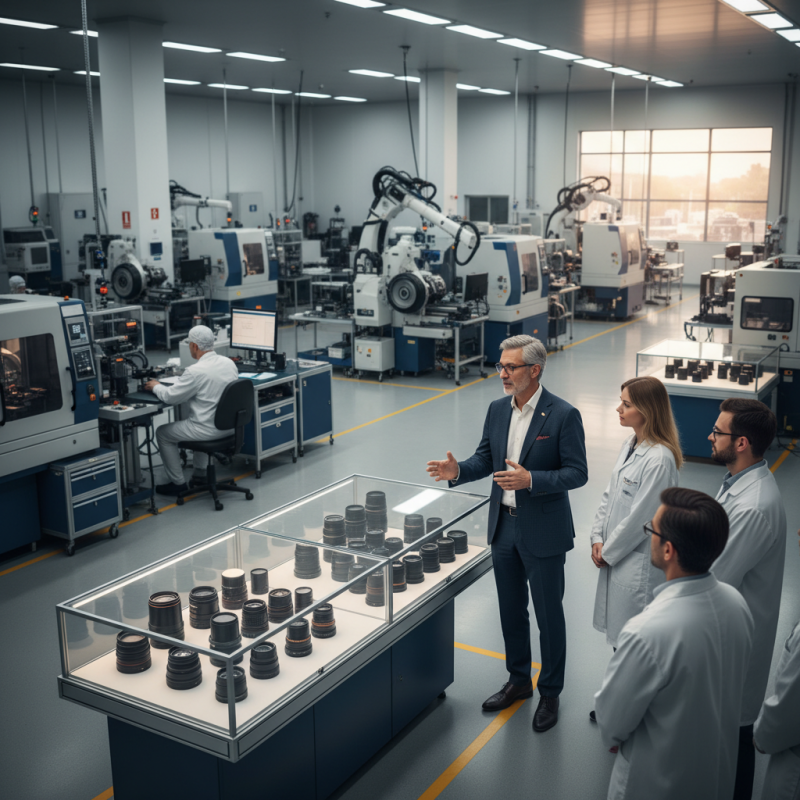
First, assess the factory's reputation. Look for reviews and testimonials from previous clients. A factory with a strong track record is often more reliable. Also, visit their facility if possible. Observing the production process gives valuable insights into their quality standards.
Next, analyze the materials used. High-grade glass and advanced technology are essential for superior lenses. Ensure the factory utilizes the latest manufacturing techniques. Lastly, communication matters. A good Glass Lens Camera Factory should be open to your needs. If they hesitate to answer questions, that is a red flag. Take your time with this decision; the right partner can elevate your photography.
Quality glass lenses are vital for producing sharp, vibrant images. They significantly influence a camera's performance. When choosing a camera factory, understanding how lenses impact image quality is crucial. High-quality glass minimizes distortions and enhances color accuracy. Poor lenses can lead to blurred images, even with a high-resolution sensor.
Consider the types of glass used in lens construction. Special coatings on lenses can reduce glare and improve light transmission. However, not all factories prioritize quality materials. Some might cut costs, affecting the final product. It's essential to evaluate a factory’s reputation for quality control.
Reflect on your own photography needs. What kind of images do you want to create? Do you need wide-angle lenses or telephoto options? Each lens type serves specific purposes, and understanding this is key. Therefore, finding a factory that meets these standards is not just about the glass but also about craftsmanship. A reliable factory produces lenses that elevate your photography.
This chart presents a comparison of key quality factors for glass lenses used in cameras. Each factor is rated on a scale from 1 to 10, demonstrating the importance of optical clarity, durability, light transmission, chromatic aberration, and coating quality in achieving superior photographic results.
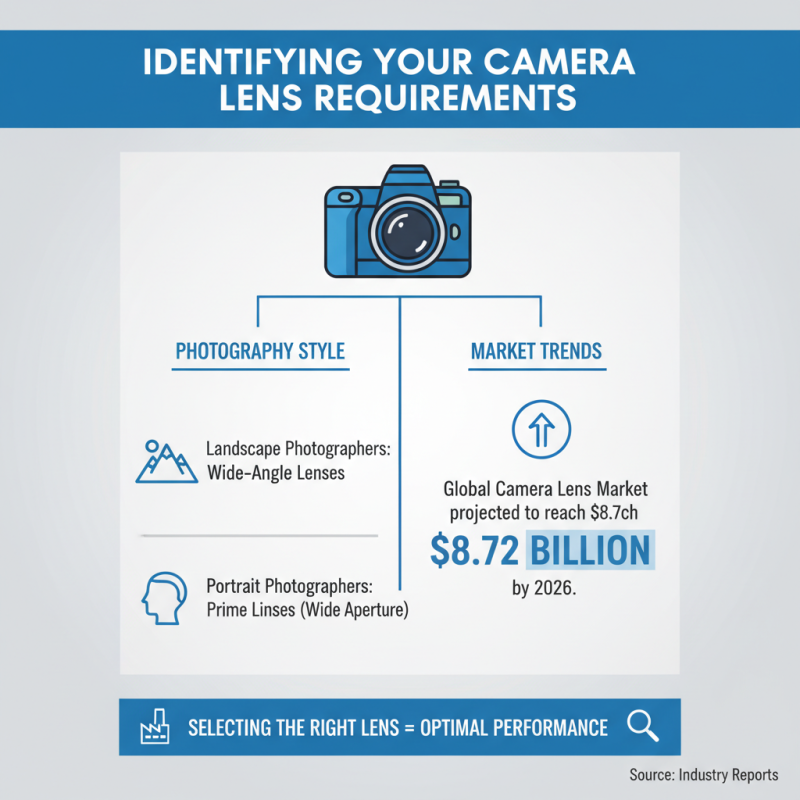
When searching for the best glass lens camera factory, identifying your specific camera lens requirements is paramount. Different photography styles necessitate distinct lens features. For instance, landscape photographers often seek wide-angle lenses, while portrait photographers may prioritize prime lenses with a wide aperture. Research from industry reports indicates that the global camera lens market is projected to reach $8.72 billion by 2026, underscoring the importance of selecting the right lens for optimal performance.
One critical tip is to evaluate the lens coating and materials used in production. High-quality coatings enhance light transmission and reduce flare. Manufacturers often use multi-layer coatings to improve image clarity. Be cautious of factories offering overly cheap options; these may compromise on vital materials. Investigating a factory’s production process can reveal their commitment to quality.
Additionally, consider the factory's ability to meet custom specifications. Customization options can include focal length adjustments or the use of exotic glass types. A factory that understands your needs can provide tailored solutions. Relevant industry surveys suggest that 61% of photographers value lens adaptability and customization features. This highlights the necessity of communicating your requirements clearly to manufacturers.
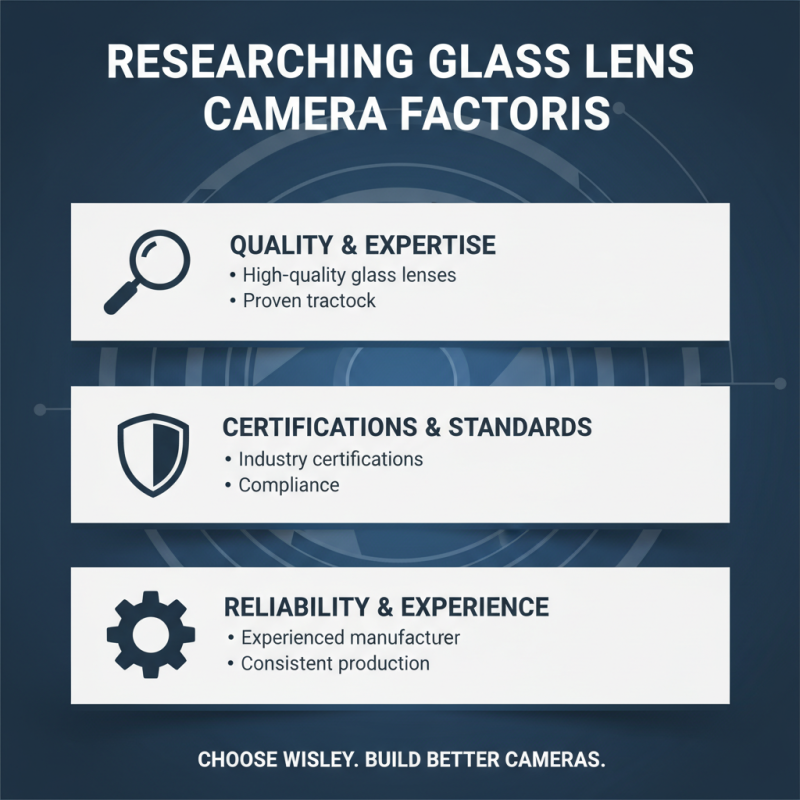
When researching potential glass lens camera factories, it's crucial to focus on specific criteria. Quality and expertise should be at the forefront of your evaluation process. Look for manufacturers with a history of producing high-quality glass lenses. Check their certifications and industry standards. A factory with proven experience typically has better reliability.
Visiting the factories, if possible, is a valuable step. Observing their production processes can reveal a lot about their operations. Engage with the employees to gauge their expertise. High employee morale often correlates with superior product quality. Additionally, read reviews and case studies about their previous work. This information can provide insights into their strengths and weaknesses.
Don’t overlook the importance of communication. Evaluate how responsive they are to inquiries. An excellent factory should prioritize clear communication and transparency. Sometimes, a factory may not meet your expectations in certain areas. Reflecting on areas for improvement can help you make better choices in the future. Always keep an open mind during your research journey.
When searching for a glass lens camera factory, evaluating manufacturing capabilities and technology is critical. Begin by examining the factory's production processes. Look for facilities that employ advanced machinery and skilled labor. A factory with automated systems often ensures precision and higher output rates. However, technology alone does not guarantee quality. Human oversight is essential; factories that emphasize skilled craftsmanship may produce superior products.
Researching the factory's technology can reveal a lot about its capabilities. Modern factories should utilize high-quality materials, such as optical grade glass. It’s also beneficial if they have rigorous quality control measures in place. Companies that invest in R&D demonstrate a commitment to innovation. Ask about their testing methods and certifications. This transparency builds trust and shows reliability.
Consider the factory's experience in producing China Glass Camera Lenses. Length of time in the industry often correlates with expertise. However, newer factories may offer fresh technologies and approaches. Finding a balance between experience and innovation can be challenging. It's worthwhile to reflect on what fits best for your specific needs. By understanding these dynamics, you can make a more informed decision.
| Criteria | Description | Importance (1-5) |
|---|---|---|
| Manufacturing Capability | Assessment of advanced machinery and equipment used in lens production. | 5 |
| Quality Assurance | Evaluation of the factory's quality control processes and certifications. | 5 |
| Technology | Use of the latest technology in production and lens coatings. | 4 |
| Customization Options | Ability to provide custom lens specifications to meet client needs. | 4 |
| Production Capacity | The total volume of lenses the factory can produce within a timeframe. | 4 |
| Lead Time | Time taken from order placement to delivery of products. | 3 |
| Cost Competitiveness | Analysis of pricing compared to industry standards without compromising quality. | 3 |
| Customer Support | Availability and responsiveness of support for clients pre- and post-sale. | 4 |
When searching for the ideal Glass Lens Camera Factories, quality control is paramount. Inspecting their standards and certifications reveals a lot about their commitment to excellence. Look for factories that consistently test their products. Third-party certifications can be a sign of reliability.
One tip is to review their quality assurance processes. Are the lenses subjected to rigorous testing? Transparency in their methods shows confidence in their products. Gather details on how often they perform these tests. Regular assessments are crucial for maintaining quality.
Additionally, consider the materials used in production. The best factories invest in high-grade glass and coatings. This may seem simple, but it's essential for superior lens performance. Missing the fine details here can lead to unsatisfactory results. Always ask about their sourcing practices for materials to ensure quality aligns with your expectations.
When searching for a glass lens camera factory, customer reviews play a vital role. They provide insight into product quality. Reviews often highlight the real experiences of photographers. Look for detailed feedback that mentions specific Camera Lens features. This information can reveal potential strengths and weaknesses. It is crucial to find patterns in these comments. Positive reviews may emphasize clarity and durability. Negative ones might point out issues with optical performance.
Testimonials can also be enlightening. They often contain success stories from satisfied clients. Check for any recurring names or models in these testimonials. If many mention the same camera lens, it might be a winner. However, take note of any recurring concerns, too. They might indicate persistent flaws. A balanced view is essential.
Managing your expectations is important. No factory is perfect. Small errors can occur in production. But consistent praise indicates a reliable factory. Rely on the collective voice of previous buyers. This way, you make more informed decisions. Their experiences can guide you toward quality manufacturing. Choose wisely to ensure you’re getting the best glass lens for your needs.
When searching for the best glass lens camera factory, establishing communication is crucial. Open dialogues can clarify various aspects of production. Do not hesitate to ask about their processes. This helps build trust and understanding. Also, effective communication can reveal their commitment to quality and service.
Consider the importance of responsiveness. A factory that is willing to engage openly is likely to address concerns promptly. It’s essential to gauge their knowledge of products like the Anti Glare Camera Lens. Ask questions about their research and development. Their insights can showcase their expertise in optics. A knowledgeable factory can significantly enhance your project.
Remember, not all factories will meet expectations. Some may lack transparency, affecting reliability. Communicating your needs clearly can pave the way for better outcomes. Don't forget to request samples before making a decision. This reflection can help analyze their product quality and support services effectively.
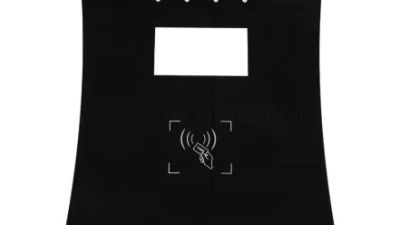
Upgrading your electric vehicle (EV) charging station with high-quality tempered glass panels can significantly enhance both aesthetic appeal and functionality. These panels are designed to withstand the rigors of daily use while providing a sleek and modern look, perfect for any charging environment. The elegant black silkscreen finish not only adds sophistication but also aligns with contemporary design trends, making your charging piles a standout feature.
Beyond aesthetics, the durability of tempered glass is a crucial advantage. It offers robust protection against the elements and everyday wear, ensuring that your charging infrastructure remains in top condition over time. Additionally, custom printing options allow businesses to incorporate branding elements, creating a cohesive and professional appearance that enhances brand visibility. With these high-quality glass covers, EV charging stations can elevate their overall image while providing practical benefits, making them an ideal choice for both commercial and private installations.
: Quality control is crucial. Inspect their standards and certifications for reliability.
Review their testing methods. Regular assessments show their commitment to quality.
They provide insight into product quality and highlight real experiences from photographers.
Detailed comments on specific features are valuable. Look for patterns in reviews.
Yes, they offer success stories but also note any recurring concerns.
No factory is perfect. Small errors can happen, but consistent praise indicates reliability.
High-grade glass and coatings are essential. Poor material choices can lead to unsatisfactory results.
Regular testing is crucial for maintaining quality. The frequency indicates their commitment.
Understand that some flaws may exist. Rely on collective experiences from past buyers.
Yes, it’s important to ensure quality meets your expectations.
Finding the best Glass Lens Camera Factory is essential for photographers seeking high-quality image production. Quality glass lenses play a significant role in capturing sharp, vivid images, making it crucial to understand specific lens requirements before starting the search. Researching potential factories involves evaluating their manufacturing capabilities and the technology they utilize, ensuring they can meet varying demands efficiently.
Quality control standards and certifications are equally important, as they reflect the factory's commitment to excellence. Analyzing customer reviews and testimonials can provide valuable insights into the reliability of a factory's products and services. Finally, establishing clear communication with the factory is vital for obtaining additional support and understanding all available services, ensuring a successful partnership in the lens-making journey.