Leave Your Message
In the manufacturing world, sourcing quality materials is honestly kind of a big deal. Everyone's been going nuts over China Tempered Glass Film recently — it’s become a go-to for tons of industries. Experts like Dr. Li Wei, who’s pretty much a big name in the tempered glass scene, always remind folks how important it is to pick the right materials. He likes to say, “The right stuff can make or break your product’s quality,” and I totally agree. The thing is, plenty of companies struggle when it comes to finding reliable suppliers that offer top-tier quality without breaking the bank.
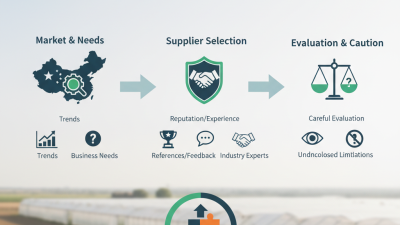
Getting a good handle on the Chinese market is super important here. Sourcing China Tempered Glass Film isn’t just about picking a supplier — it’s about doing your homework. You’ve gotta check out their certifications, see if they meet international standards, and weigh their strengths and weaknesses. Trust me, there’s no one-size-fits-all recipe. Each supplier has its own quirks, so it’s all about assessing what works best for you. And don’t forget: balancing quality with cost is key. Overlooking these things can lead to crappy products and worse profits.
Building solid communication with your suppliers is also a game-changer. If everyone’s on the same page about what’s expected, a lot of misunderstandings can be avoided. In the end, the idea is to develop a supply chain that’s reliable and consistent in quality. Looking back at your past sourcing adventures can give you some pretty valuable lessons. Putting together a smart, nuanced approach to sourcing China Tempered Glass Film is what’ll set you up for success down the line.

Tempered glass film has gained popularity in various sectors due to its key features and benefits. One primary advantage is its durability. According to a report by MarketsandMarkets, the tempered glass industry is expected to reach USD 70 billion by 2027, reflecting the growing demand for high-quality glass solutions. This film can withstand temperature changes and impacts significantly better than regular glass, making it suitable for commercial and residential use.
Another important feature of tempered glass film is its ability to provide safety. With safety features, it can prevent shattering and reduce injury risks. In fact, a study by Grand View Research highlights that about 80% of accidents involve glass breakage. Moreover, tempered glass film often incorporates China Anti Reflective Film technology, improving visibility while minimizing glare. This makes it ideal for electronic devices, enhancing user experience significantly.
Additionally, the energy efficiency offered by tempered glass films is noteworthy. They can help reduce heating and cooling costs. A study by the U.S. Department of Energy shows that energy-efficient windows can cut energy bills by up to 25%. However, the market for tempered glass film still faces challenges, such as installation complexities and higher upfront costs. These factors need careful consideration for businesses looking to source tempered glass effectively.
| Key Feature | Description | Benefits |
|---|---|---|
| Durability | Resistant to scratches and impact, ensuring a longer lifespan. | Reduces the need for replacements, minimizing costs over time. |
| Clarity | High transparency allows for clear display without distortion. | Preserves the original quality of screens, enhancing user experience. |
| Application Compatibility | Compatible with various devices such as smartphones, tablets, and laptops. | Versatile use across multiple products, broadening market appeal. |
| Easy Installation | Designed for hassle-free application with clear instructions. | Saves time and effort, making it convenient for end-users. |
| UV Protection | Filters harmful UV rays that can damage screens. | Protects users' health and extends device longevity. |
| Anti-Fingerprint | Coated to resist smudges and fingerprints. | Maintains a clean and clear surface easily. |
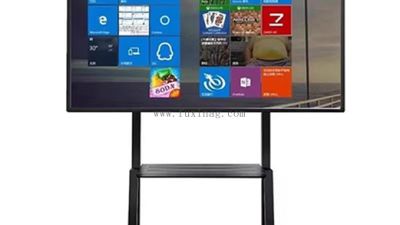
When selecting the appropriate touch panel cover glass for conference rooms and outdoor advertising machines, several key features can enhance visual performance and user interaction. One of the standout options is toughened glass that ranges from 26 to 85 inches, specifically engineered for high-traffic environments. This type of cover glass incorporates an anti-glare (AG) surface, which significantly improves visibility even under bright lighting conditions, making it an ideal choice for settings where clear display is paramount.
Moreover, the additional anti-reflection (AR) coating plays a crucial role in enhancing contrast, allowing for vibrant visuals that capture and retain viewer attention. Coupled with an easy-clean anti-fingerprint (AF) layer, this cover glass not only maintains a clean appearance but also ensures a smooth user experience by minimizing smudges that can obscure touch functionality. This combination of durability and responsiveness makes it a reliable choice for touch screens, whether in a corporate conference setting or bustling outdoor advertising scenarios, ultimately improving both the aesthetics and interactivity of the displays.
: Quality standards ensure the film's durability and safety. They indicate a manufacturer’s commitment to quality control.
Look for internationally recognized standards, like ISO certifications, which indicate reliable quality in their products.
Investigate their quality inspections and request proof of durability testing, such as impact resistance testing documentation.
Focusing solely on price can lead to compromised safety. Lower-quality films may create vulnerabilities in usage.
Bulk purchasing helps reduce costs. However, be cautious of excess inventory, which can lead to increased holding costs.
Strong relationships with suppliers can yield better pricing and consistent quality, reducing the risk of defects.
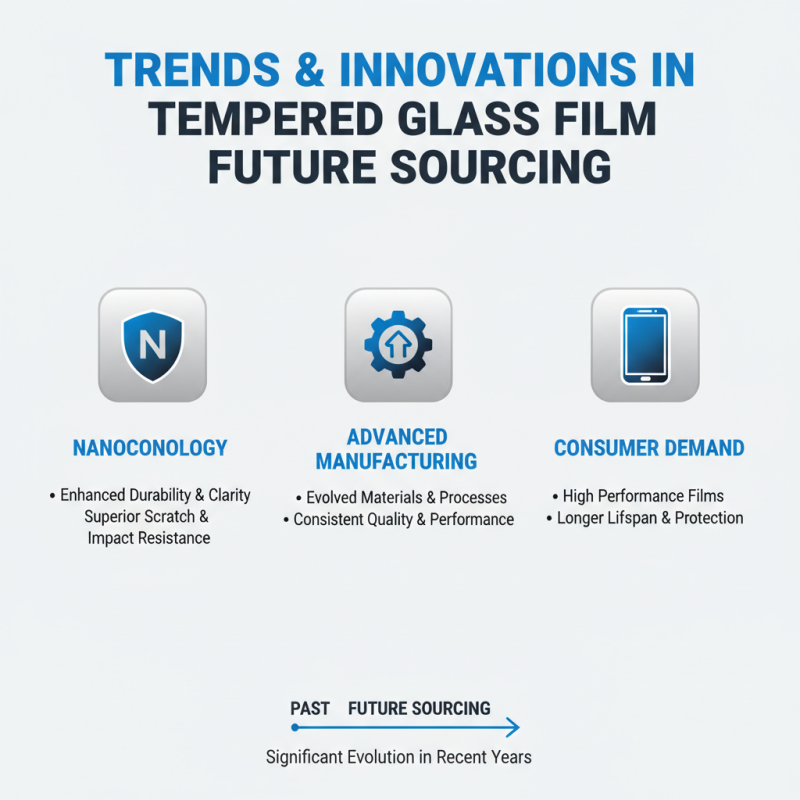
Innovations like nanotechnology improve durability. Additionally, there is a rising preference for sustainable and eco-friendly films.
The quality of sustainable films varies. Sourcing teams must assess product specifications carefully to ensure performance.
Smart glass film allows dynamic adjustments to light and heat. It's multifunctional but finding reliable suppliers can be difficult.
An agile approach to sourcing is vital to navigate evolving trends and maintain competitiveness in the market.
Sourcing China Tempered Glass Film requires a comprehensive understanding of its key features and benefits, which include durability and safety. Identifying reliable suppliers is crucial, as it ensures that you are working with companies that adhere to quality standards and certifications critical for the glass film industry. Effective negotiation strategies can significantly impact pricing and terms, while understanding logistics and shipping considerations is essential for timely delivery and cost management.
To maximize cost efficiency, it’s important to stay informed about the latest trends and innovations in tempered glass film. By recognizing these developments, businesses can enhance their sourcing strategies and maintain a competitive edge in the market. Overall, thorough research and strategic planning are vital for successfully sourcing China Tempered Glass Film.